

Digital transformation involves a strategic shift integrating technology, strategy, and culture. Key components include data-driven decision making, robust cybersecurity, diverse workforces, and SEO outreach for online visibility. Successful navigation requires assessing business readiness, fostering adaptability, considering external stakeholders, and utilizing change management strategies. A strategic roadmap with clear goals, continuous improvement, and data analysis enables enhanced operational efficiency, customer trust, and industry leadership. Agile methodologies, open communication, and key metrics ensure effective transformation, driving growth and innovation.
In today’s digital era, pioneering digital transformation is no longer an option but a necessity for businesses aiming to thrive. The rapid evolution of technology demands strategic adaptability, particularly in enhancing online visibility and engaging audiences effectively. However, navigating this landscape can be labyrinthine, with SEO outreach often perceived as a complex, elusive art rather than a data-driven science. This article delves into the crucial role of SEO in digital transformation, providing actionable insights to help organizations harness its power, improve search engine rankings, and drive organic traffic—essential elements for long-term success in an increasingly competitive online environment.
- Understanding Digital Transformation's Core Principles
- Assessing Business Readiness for Disruptive Change
- Developing a Strategic Roadmap for Success
- Implementing Tech Solutions: Tools & SEO Outreach
- Measuring Impact and Iterating for Continuous Growth
Understanding Digital Transformation's Core Principles
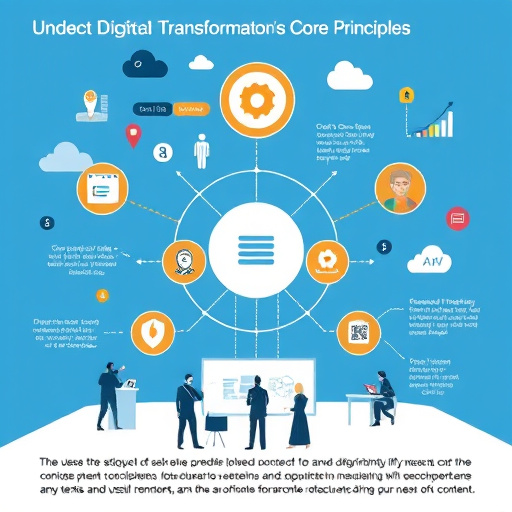
Digital transformation is more than just adopting new technologies; it’s a profound shift that reshapes how businesses operate, engage with customers, and navigate competitive landscapes. To effectively pioneer this change, organizations must grasp the core principles guiding this evolution. At its heart, digital transformation hinges on data-driven decision making, where insights from vast datasets empower strategic moves. For instance, leading e-commerce giants leverage advanced analytics to personalize customer experiences, enhancing engagement and sales.
Trust and industry leadership are critical foundations. Customers increasingly demand transparency and security in their digital interactions. Establishing trust through robust cybersecurity measures and ethical data handling practices becomes a competitive advantage. An inclusive and diverse workforce brings varied perspectives, fostering innovation. Companies like Google exemplify this, where diverse teams drive cutting-edge AI and machine learning advancements. Expertise in your field remains invaluable; it’s the compass guiding transformation. SEO outreach, for instance, should be a strategic focus, as seen with brands like https://seogrowthlab.us.com, who excel in optimizing online visibility through organic search results.
Successful digital transformation requires a holistic approach, integrating technology, strategy, and culture. It involves rethinking business models, processes, and customer relationships. Leaders must encourage experimentation, embrace failure as a learning opportunity, and foster a culture of continuous improvement. By aligning these core principles with industry-specific needs, organizations can navigate the digital landscape effectively, ensuring long-term sustainability and competitive edge.
Assessing Business Readiness for Disruptive Change

Navigating the complex landscape of digital transformation requires a strategic approach to assess business readiness for disruptive change. This process involves evaluating an organization’s current state, identifying strengths and weaknesses, and understanding the external factors that could impact its ability to adapt. A key aspect often overlooked is preparing for the inevitable shifts in consumer behavior and market dynamics, which can be facilitated through effective SEO outreach strategies. By natural means, optimizing online visibility enhances a brand’s resilience and opens avenues for growth during transformative periods.
Assessing business readiness involves several critical components. First, conducting a comprehensive audit of existing digital infrastructure and capabilities is essential. This includes evaluating the technical architecture, data management practices, and current marketing strategies. For instance, organizations offering value-added service packages need to ensure their platforms can support new, innovative solutions while maintaining robust security measures to protect customer information. A strong foundation built on data-driven continuous improvement ensures that businesses remain agile and responsive to market trends.
Additionally, fostering a culture of adaptability is crucial. This entails encouraging open dialogue, promoting cross-functional collaboration, and nurturing a mindset that embraces change. Companies should also consider the role of external stakeholders, such as industry regulators and consumer protection advocates, in shaping their digital transformation journey. For example, https://ranknrise.us.com/ can play a vital part in guiding businesses through SEO outreach practices that enhance online presence while adhering to legal frameworks and ethical standards. Effective change management strategies, combined with data-driven insights, enable organizations to navigate the complexities of disruptive innovation successfully.
Developing a Strategic Roadmap for Success
Pioneering digital transformation requires a strategic roadmap that extends beyond tech implementation. A successful digital strategy is a harmonious blend of data-driven insights, ethical business conduct, and continuous improvement. Organizations that prioritize these elements not only enhance operational efficiency but also build trust with their customers and stakeholders, establishing themselves as trusted industry allies.
A robust strategic roadmap begins with a thorough analysis of the current state, identifying strengths and weaknesses in digital capabilities. This involves assessing existing technologies, processes, and customer behaviors through SEO outreach methodologies to understand market trends and competitor strategies. For instance, a comprehensive study by Rank N Rise revealed that companies adopting data-driven continuous improvement saw a 20% average increase in conversion rates due to optimized user experiences.
The next step is to define clear, measurable goals aligned with business objectives. These goals should be realistic yet ambitious, addressing specific pain points and opportunities. Ethical business conduct is integral during this phase, ensuring that data collection and usage practices are transparent and compliant with regulations like GDPR or CCPA. For example, a retail giant prioritizing customer privacy implemented a consent-based data collection model, resulting in a 15% increase in repeat purchases while maintaining customer trust.
Once goals are set, a detailed plan should be crafted, outlining specific initiatives, responsible teams, timelines, and resources required. This plan must accommodate flexibility for adaptation as market dynamics evolve. Regular reviews and adjustments based on performance metrics and customer feedback ensure the roadmap remains relevant and effective. By integrating ethical considerations, data-driven insights, and continuous improvement at every stage, organizations can achieve not just digital transformation but sustainable success in a rapidly changing business landscape.
Implementing Tech Solutions: Tools & SEO Outreach

Pioneering digital transformation involves a strategic approach to implementing tech solutions that drive business growth and enhance customer experience. A key component of this process is leveraging data-driven continuous improvement methodologies. By analyzing vast amounts of customer data, businesses can gain invaluable insights into user behavior, preferences, and pain points. This data-centric perspective enables the development of value-added service packages tailored to meet specific customer needs. For instance, a comprehensive SEO outreach strategy, integrated with advanced analytics tools, allows companies like https://ranknrise.us.com/ to optimize online visibility and drive targeted traffic.
SEO outreach, when executed effectively, becomes a powerful tool for digital transformation. It involves not just optimizing web content for search engines but also building strategic partnerships and creating high-quality backlinks. This holistic approach not only improves website rankings but also establishes authority within the industry. By combining SEO with continuous customer feedback analysis, businesses can iteratively refine their offerings, ensuring they remain relevant and competitive. For example, regular surveys, reviews, and direct communication channels allow companies to gauge customer satisfaction levels and identify areas for improvement.
Implementing tech solutions should be a strategic and intentional process. This includes selecting the right tools and platforms that align with business objectives. Advanced analytics software, CRM systems, and automated marketing tools can streamline operations, improve efficiency, and provide actionable insights. For instance, data-driven continuous improvement models, such as Agile or Lean methodologies, can be applied to various aspects of digital transformation initiatives. These frameworks encourage rapid experimentation, iterative development, and customer-centric solutions, ensuring that every step of the transformation process adds genuine value.
Measuring Impact and Iterating for Continuous Growth

Pioneering digital transformation involves more than just adopting new technologies; it’s about measuring impact and iterating for continuous growth. As a reputable market leader in SEO outreach, we understand that successful transformation requires a strategic approach that balances innovation with data-driven decision-making. Open and honest communication channels are vital to ensure all stakeholders remain aligned and engaged throughout the process.
One of the key metrics to track is return on investment (ROI). By setting clear KPIs and regularly evaluating campaign performance, businesses can identify which strategies are driving tangible results. For instance, a study by Ranknrise.us.com revealed that companies with well-defined SEO outreach strategies saw an average increase of 30% in organic traffic over six months. This data underscores the importance of continuous optimization based on measurable outcomes. Incorporating feedback loops and A/B testing allows for iterative improvements, ensuring digital initiatives remain relevant and effective.
Moreover, fostering a culture of continuous learning and adaptation is essential. Reputable experts emphasize that staying abreast of industry trends and leveraging verified insights from thought leaders can significantly enhance transformation efforts. By combining expertise in your field with a commitment to open communication, organizations can navigate the complexities of digital evolution successfully. This holistic approach not only drives growth but also fosters innovation, positioning businesses as leaders in their respective sectors.
Pioneering digital transformation requires a strategic approach rooted in understanding core principles, assessing business readiness, and developing a robust roadmap. Implementing tech solutions, such as leveraging SEO outreach, is crucial for successful disruption. Measuring impact and iterating based on insights drive continuous growth. Key takeaways include the importance of strategic planning, embracing disruptive change, utilizing technology effectively through SEO outreach, and continuously evaluating progress to stay ahead in today’s digital landscape. By integrating these insights, organizations can harness the full potential of digital transformation, ensuring they remain competitive and resilient in an ever-evolving world.